Belonging is not connecting
The third day of TCI was about leadership, governance and technology. Underneath ran another conversation: what makes a cluster more than the sum of its members?
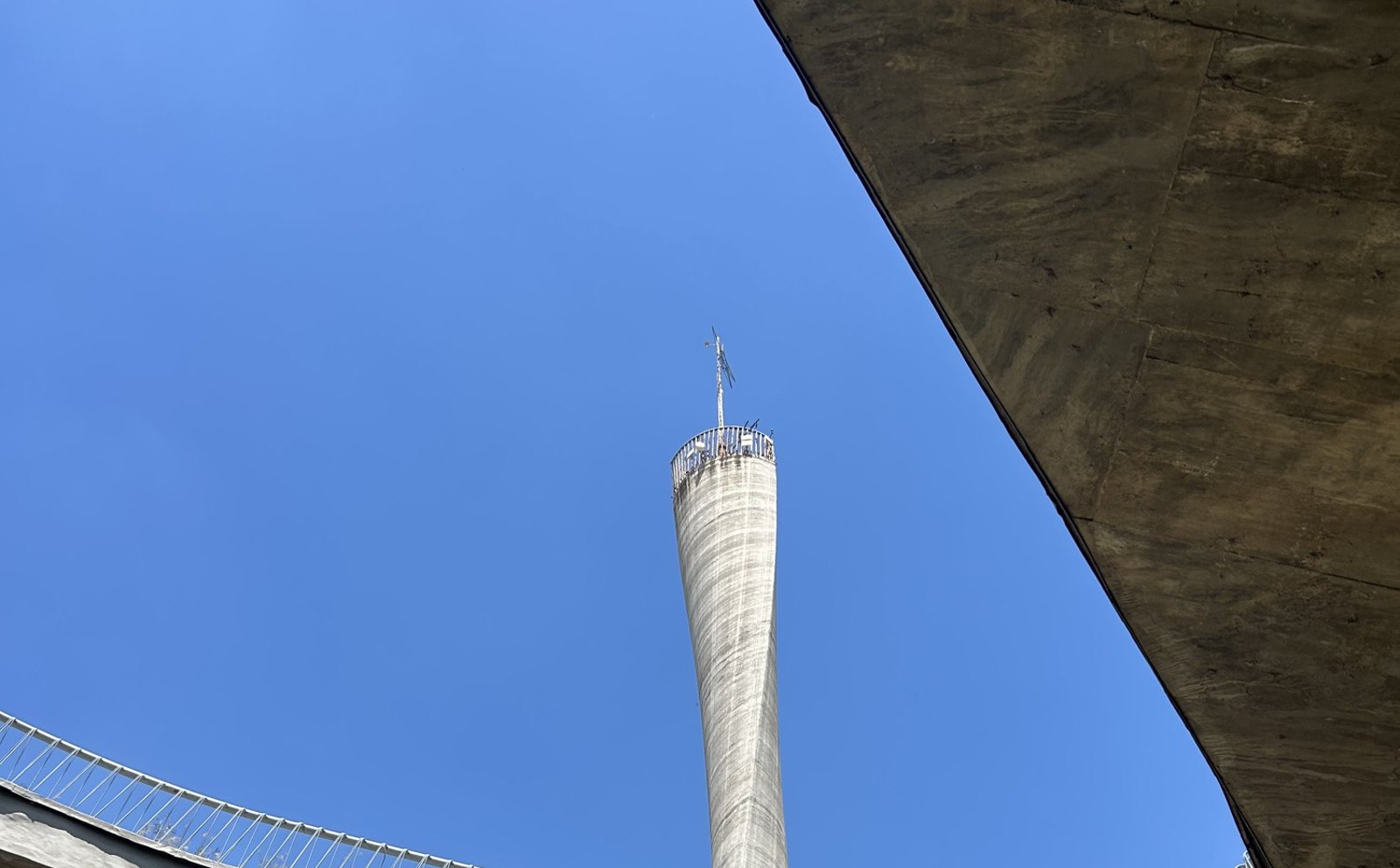
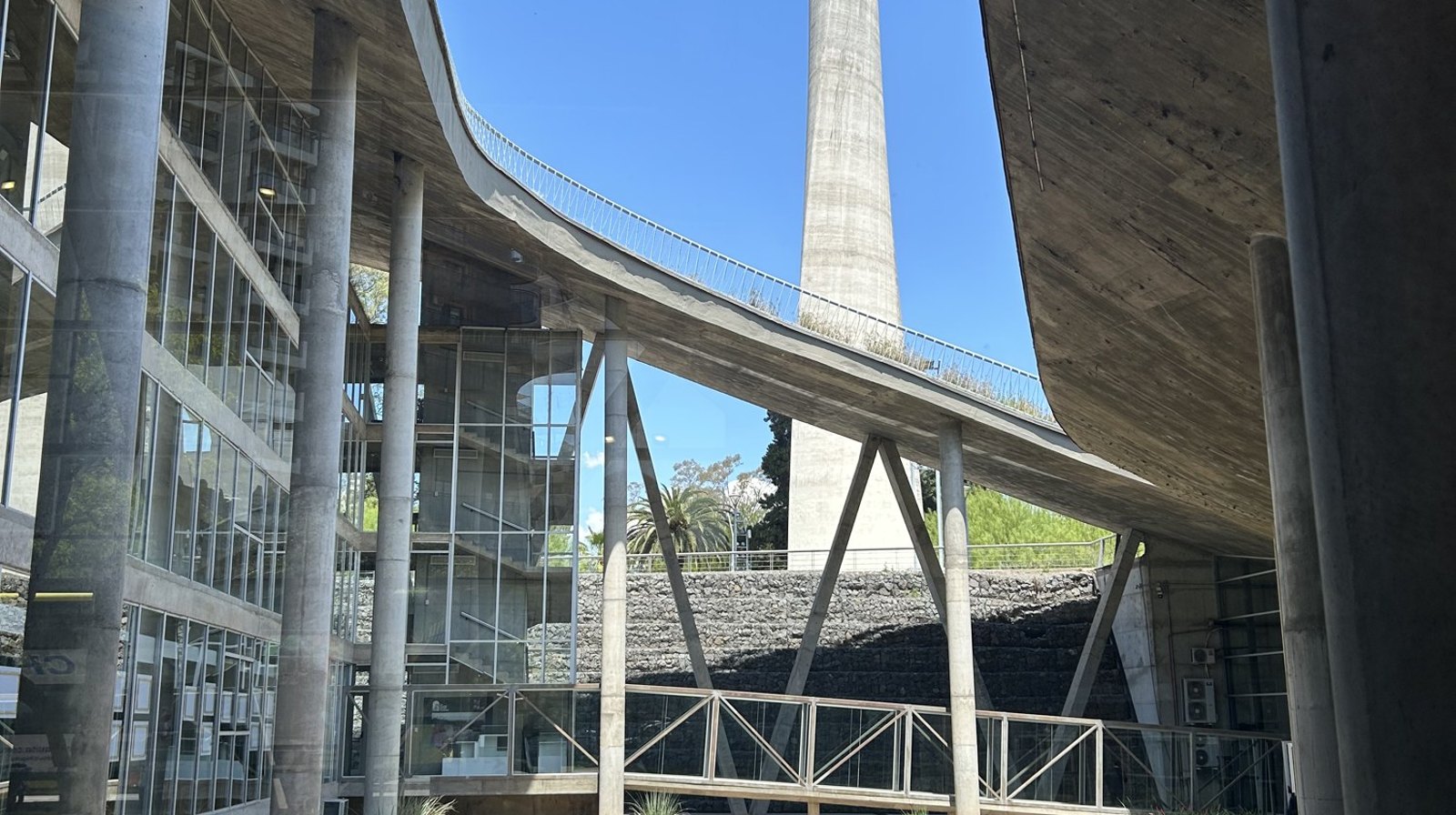
TCI moved to the Centro Cultural Córdoba, at the foot of the Faro del Bicentenario: concrete, curved walkways and a plenary hall that filled up early. It was the day of the big panels, the cases and the technology. Yet the idea that came back most often was not about artificial intelligence or funding. It was about people who know each other, or who do not know each other yet.
The blind spot. At the midday Learning Journey, led by Ulrich Harmes-Liedtke and Mónica Muñoz of Mesopartner, the Córdoba Cluster told its own story. It was founded in 2001 by ten technology companies that competed with each other and chose to cooperate. Today it has more than 300 members, more than 700 solutions, half of them sold abroad, and more than 15,000 professionals. And yet, as it turned 25, it found something uncomfortable: the more it worked on relationships outside, the more it lacked them inside. Its own members barely knew each other. The response was Pitch & Link, gatherings where companies present themselves to each other and then talk at shared tables. Connection first; then trust; only then a shared agenda.
The session gave that path a name. Some networks advocate together, some learn together and some innovate together, and each step asks for more trust than the one before. When the room voted on which kind of network it recognised in itself, almost a third said they were not sure. That is not a bad result. It is exactly where the work begins.
The key budget is for coffee: so that leaders talk, connect and build trust.
Joan Martí, ACCIÓ, in his keynote on Catalonia's cluster model.
What gets funded. Joan Martí, of ACCIÓ, Catalonia's competitiveness agency, came with 28 clusters and a warning: success is not measured by quantity. "If we had 45, we would not be any happier." In his model, funding is competitive and project-based, not paid for simply existing. And cooperation is not the goal: first you understand where an industry needs to change, then you cooperate to get there. That is why, he said, he finds it hard to think of anything more boring than representing an industry, and anything more exciting than representing a change within it.
In the afternoon, the Province of Córdoba's artificial intelligence adoption programme said the same thing in other words. The programme pairs productive companies with local technology companies to solve real problems, and what it co-funds is not the prototype: it is the relationship, the encounter between the two. What remains, if the encounter works, is a long-term partnership.
Problems on the table. TecnoManí, the peanut cluster's open innovation initiative, started where almost no one starts: instead of showcasing their successes, the companies put their problems on the table. They gathered more than 30, prioritised 15 and opened a call to startups, technology companies and researchers. One of the results is already running in a plant: AI-based sorters that cut energy consumption by 32%. In Mexico, a cluster went through something similar, starting from a conflict. One company hired away a technician another had spent ten years training. Instead of banning or expelling anyone, the cluster brought fifteen companies in the sector together, understood that the real problem was a shortage of technicians and created a training programme. Today there are 500 trained technicians and a technical school. The tension became a capability.
People before money. From Huánuco, in Peru, came the simplest line of the day: "Money is important, but people are more." There were national resources for innovation; what was missing was the installed human capacity to use them. In Río Cuarto, the agritech cluster said its first attempt to organise through committees did not work because no one led them. And Joan Martí had put it in four words that morning: first people, then strategy.
The middle is made of relationships. On the first day we asked whether a cluster exists to sell or to innovate. On the second, who takes care of what happens after the handshake. The third offered a clue for both: the middle level is not made of empty institutions, but of relationships that someone decides to nurture and fund. Belonging to a cluster is easy. Connecting is not.
What changes for those who design programmes
Does your programme fund projects, or relationships?
Or follow FuturAct on LinkedIn. The Cuaderno de Córdoba continues tomorrow with day 4.