
A cluster to sell or to innovate?
Four visits and three clusters in one day. What gets measured is sales; what worries people is the future.
At the end of a day travelling across Córdoba, between a software company, the control centre of EPEC (the state-owned power company of the Province of Córdoba), another software company and a chip design centre, a colleague from a European competitiveness agency summed up what we had seen in a sentence that stayed with us into the night.
A cluster does not exist to increase sales. It exists to generate innovation.
A colleague from a European competitiveness agency, at the close of the visits.
This is not a question about Córdoba. It is the question facing any cluster that has already learned to sell, and ours too, as consultants who design programmes.
The night before, over dinner, a long-standing expert in cluster policy had told us the same thing in other words: representing its companies is not enough; an association has to exist to bring about change. He illustrated it with a tannery cluster he had worked with. The water treatment plant the companies built together, without public money, ended up as a technology they now sell to other countries. Years later, in León, Mexico, a technician summed it up for him in one line: “We no longer sell leather, we sell technology.”
What gets measured is sales. The presentations by the Córdoba Cluster, the BIM Cluster and the Video Game Cluster share the same focus: generate business opportunities and open markets. The initiatives that show results are about commercial connection: business matchmaking rounds with 160 participants, a Tech Week with more than 4,500 attendees, international missions. The model works, and it gives the cluster something valuable: it is funded by its members and does not depend on changes of government.
What worries them is the future. On the Córdoba Cluster's screen, under the title "What keeps us up at night", was the other agenda: anticipating what comes next and sustaining a long-term vision. The cluster itself already measures adoption, not just training.
What keeps us up at night
How to stay ahead of the curve, anticipate what's next in technology, and keep Córdoba Cluster at the forefront through a long-term vision and concrete initiatives.
In software companies, artificial intelligence already writes much of the code, and what has become scarce is something else: defining the problem well. At Avenga, the business analyst, who seemed doomed to disappear, has become the key player. If the requirement is badly written, the machine makes things up.
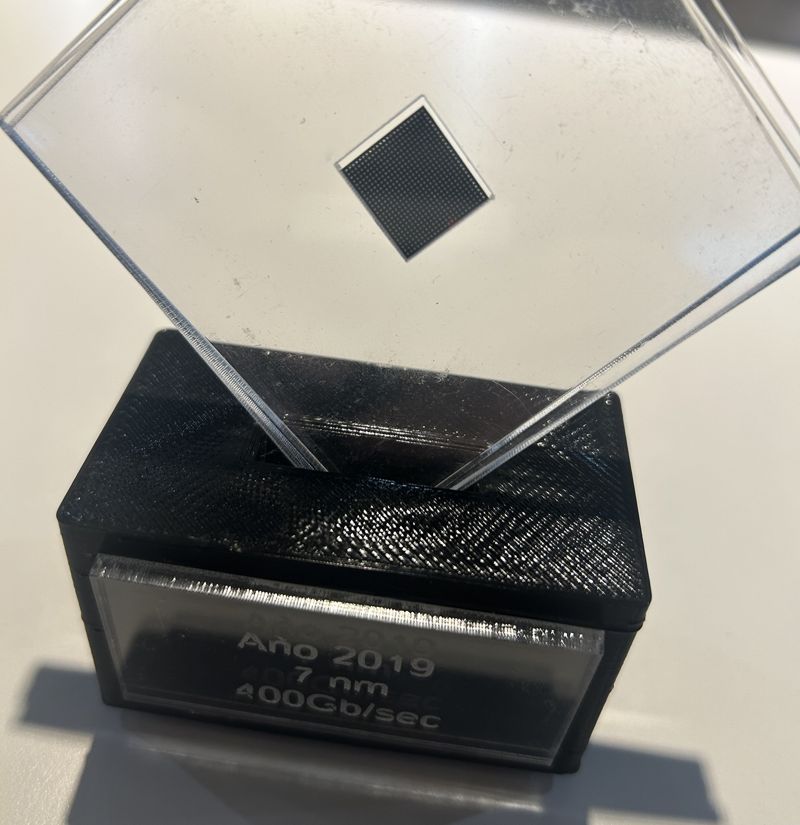
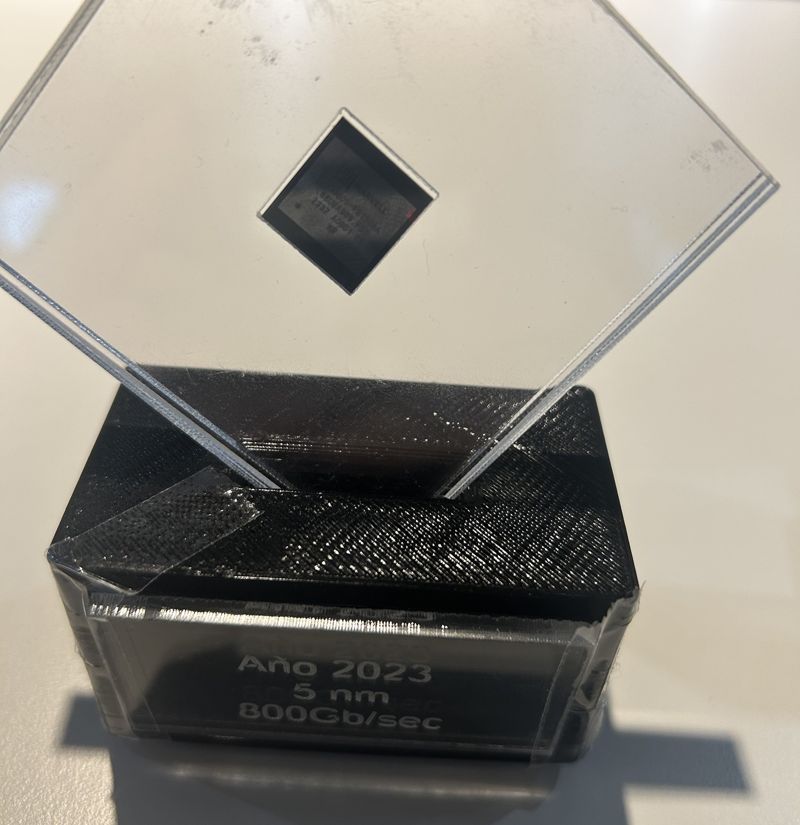
Innovation appears where knowledge meets another sector's problem. Marvell's design centre was born in a university lab and now designs chips for data centres. The BIM Cluster first worked on diagnosis and training inside the Ministry of Infrastructure, and then side by side on construction projects under way. The Video Game Cluster wants to bring simulation to the training of industrial technicians. In all three cases, the business network opened the door; innovation emerged from working inside another sector's problem.
What changes for those who design programmes
How do you measure what a cluster leaves behind, beyond the business it generates?
Keep reading: day 2 of the Cuaderno de Córdoba. Or follow FuturAct on LinkedIn.